For centuries, sex workers have been among the most frequently depicted figures in Western art - not as marginalized outcasts, but as muses, symbols, and sometimes, subjects of quiet dignity. From the courtesans of Renaissance Venice to the brothel scenes of 19th-century Paris, their presence in paintings, sculptures, and prints tells a story far deeper than titillation. These images weren’t just about desire; they reflected power, class, morality, and the shifting boundaries of public and private life. If you’ve ever wondered how a modern escrt paris fits into a long visual tradition, the answer lies in the brushstrokes of artists who dared to show the world as it was, not as it was supposed to be.
The Courtesan as High Society Muse
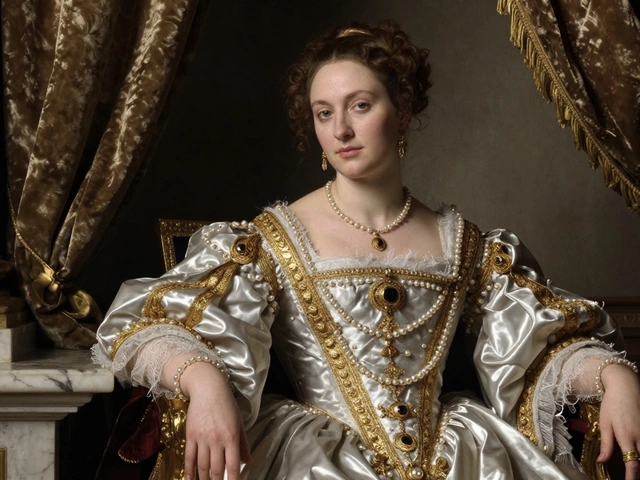
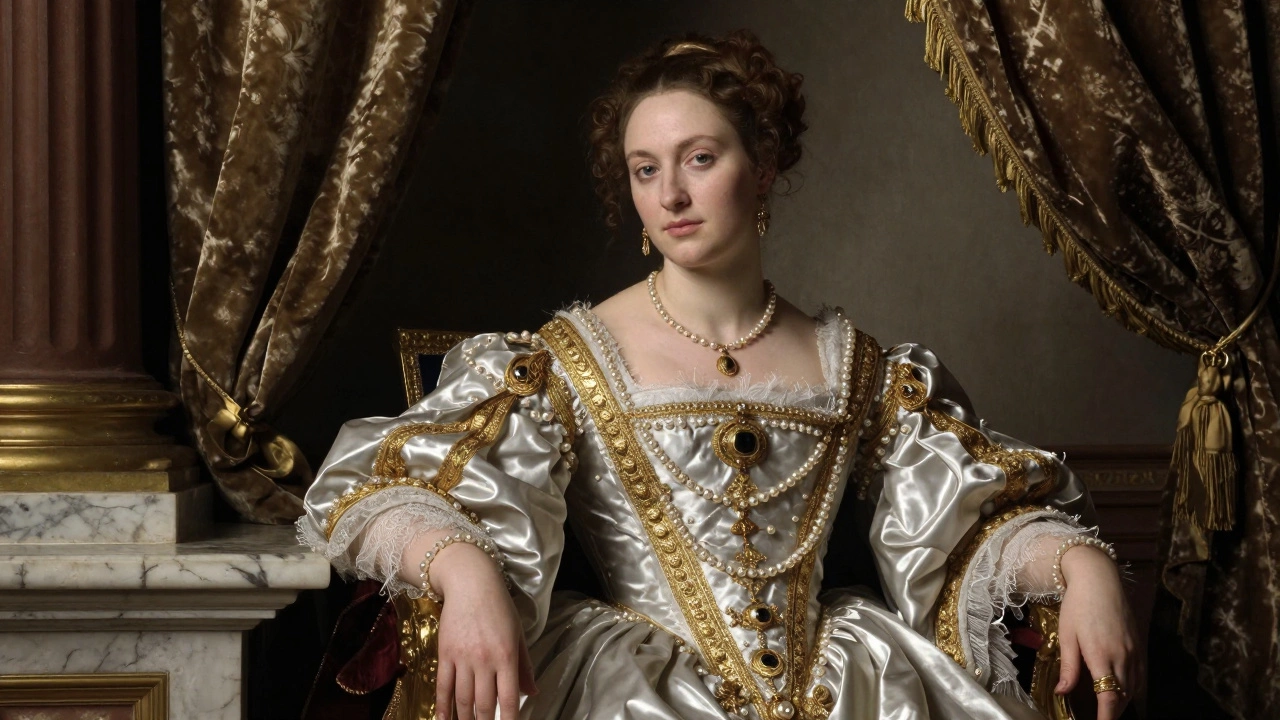
In 16th-century Italy, courtesans like Veronica Franco weren’t just sex workers - they were educated, politically connected, and often wealthier than married women of noble birth. Artists like Titian painted them in luxurious silks, adorned with pearls and gold, posing not as servants but as equals to the aristocracy. His portrait of a Venetian courtesan, often mistaken for a noblewoman, shows a woman gazing directly at the viewer - confident, unapologetic, in control. This wasn’t erotic fantasy; it was social commentary. These portraits challenged the idea that virtue was tied to marriage or class. The courtesan, in art, became a symbol of autonomy - a rare kind of female agency in a male-dominated world.
Paris: The Epicenter of Art and Desire
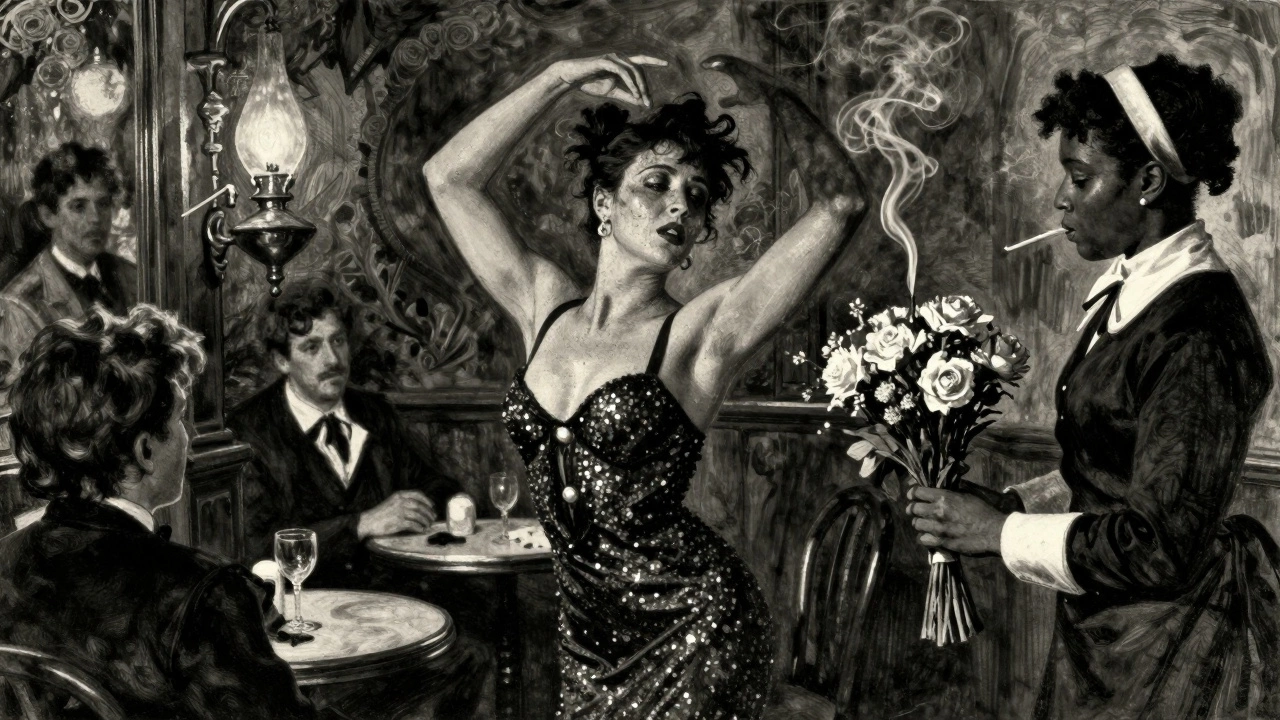
By the 1800s, Paris had become the epicenter of this artistic fascination. The city’s red-light districts - Montmartre, Pigalle, and the Rue des Moulins - were filled with women who worked in brothels, on street corners, or as independent escorts. Artists like Edgar Degas, Henri de Toulouse-Lautrec, and Édouard Manet didn’t just observe them; they lived among them. Lautrec’s posters and paintings captured the raw energy of the Moulin Rouge, where dancers and sex workers blurred into one another. His work showed sweat, exhaustion, and loneliness beneath the glitter. These weren’t idealized nudes. These were real women, in real spaces, with real lives.
Manet’s Olympia caused a scandal in 1865 not because it showed nudity - nudes were common - but because it showed a sex worker staring back. Her black maid offering flowers, her direct gaze, the cat at her feet - all signaled her profession and her power. Critics called it vulgar. But the painting was a revolution: it refused to let the viewer look away. This was no mythological Venus. This was a woman named Victorine Meurent, who also modeled for Manet’s other works. She was not invisible. She was present.
The Hidden Labor Behind the Canvas
Many of these women were not paid for their artistry - only for their bodies. But their presence shaped the direction of modern art. Without the sex workers who sat for hours in cold studios, without their willingness to pose in ways that defied social norms, movements like Impressionism might never have taken shape. Artists needed models who could hold still, who weren’t afraid of exposure, who didn’t care about societal judgment. These women provided that. Yet their names were rarely recorded. Their faces were immortalized, but their stories were erased.
Some, like La Païva, a famous 19th-century courtesan, became celebrities. She owned multiple mansions, collected art, and hosted salons attended by politicians and writers. Her portrait by Jean-Léon Gérôme hangs in the Musée d’Orsay today - a reminder that the line between sex worker and socialite was thin, and often drawn by money, not morality.
From Canvas to Street: The Modern Echo
Today, the visual language of sex work hasn’t disappeared - it’s just changed platforms. Instagram models, online performers, and independent escorts now carry the same visual codes: carefully curated lighting, direct eye contact, controlled environments. The difference? They control the narrative. A modern scort girl paris doesn’t wait for an artist to paint her - she takes the photo herself. She chooses the angle, the caption, the audience. This shift from passive subject to active creator mirrors the same rebellion that drove Manet and Lautrec.
But the stigma remains. In 2023, a French court ruled that sex workers could no longer be prosecuted for advertising their services online - a small step toward decriminalization. Still, public perception lags behind. Art history reminds us that this isn’t new. The same women who were painted as dangerous seductresses in the 1800s are now labeled as victims or criminals in the 2020s. The script changes. The truth doesn’t.

The Myth of the Fallen Woman
One of the most persistent myths in Western art is the idea of the “fallen woman” - a woman who loses her virtue and is punished by society, nature, or divine will. Paintings like John Everett Millais’ Ophelia or William Holman Hunt’s The Awakening Conscience show women drowning or trapped in guilt, their downfall linked to sexual freedom. These images were meant to warn. But they also reveal a deep cultural fear: that women who control their sexuality threaten the social order.
Contrast that with the work of contemporary artists like Catherine Opie or Zanele Muholi, who photograph sex workers with dignity, as part of their community, not as cautionary tales. Their work doesn’t ask for pity. It asks for recognition. And that’s the same demand made by the women in 17th-century Dutch brothels, who were painted by Rembrandt not as sinners, but as people.
Why This History Matters Today
When we look at these paintings, we’re not just seeing nudes or seductresses. We’re seeing the roots of how society treats women who sell sex. The same stereotypes - that they’re desperate, immoral, or mentally broken - still shape laws, media, and public opinion. But art shows us another side: resilience, autonomy, complexity. The woman in Lautrec’s At the Moulin Rouge isn’t there because she has no other choice. She’s there because she chose it - and she’s paid for it.
Today, sex workers in France and across Europe are fighting for legal recognition, safety, and the right to work without fear. Their struggle isn’t new. It’s been painted, drawn, and whispered about for centuries. The only difference now is that more of them are speaking - and more people are finally listening.
That’s why the next time you see a painting of a woman in a low-cut dress, gazing out from a dimly lit room, don’t assume she’s just a fantasy. She’s a person. And her story? It’s still being written. An escort'paris today might not sit for a painter, but she still holds the same power: the power to define herself, on her own terms.